
Plant Raising Peat Alternatives
2030
With the ban on horticultural peat coming into effect from 2030, one of the key focuses of the EPD and NPD process has been on ensuring all key commercial and innovation varieties are tested through peat free systems.
Peat has been central to plant propagation in all of UK horticulture for decades, and in particular our systems of high- volume salad plant propagation all currently involve peat. Until recently all our lettuce and celery crops were produced from seeds sown into small peat blocks with plants raised in the greenhouses until plant roots have filled and stabilised the block ready for transplanting.
As UK legislation is currently drafted, we will no longer be able to use Peat in the UK for propagation by 2030. There is no equivalent legislation elsewhere in Europe. Peat has key properties such as water holding, nutrient content and its capacity for holding shape that is difficult to replicate.
"Removing all peat usage is a huge change and is operationally challenging and can affect grow times and crop performance. We can reduce peat use but stopping all peat use before 2030 is a huge operational and investment challenge for our growers and for the broader horticulture industry"
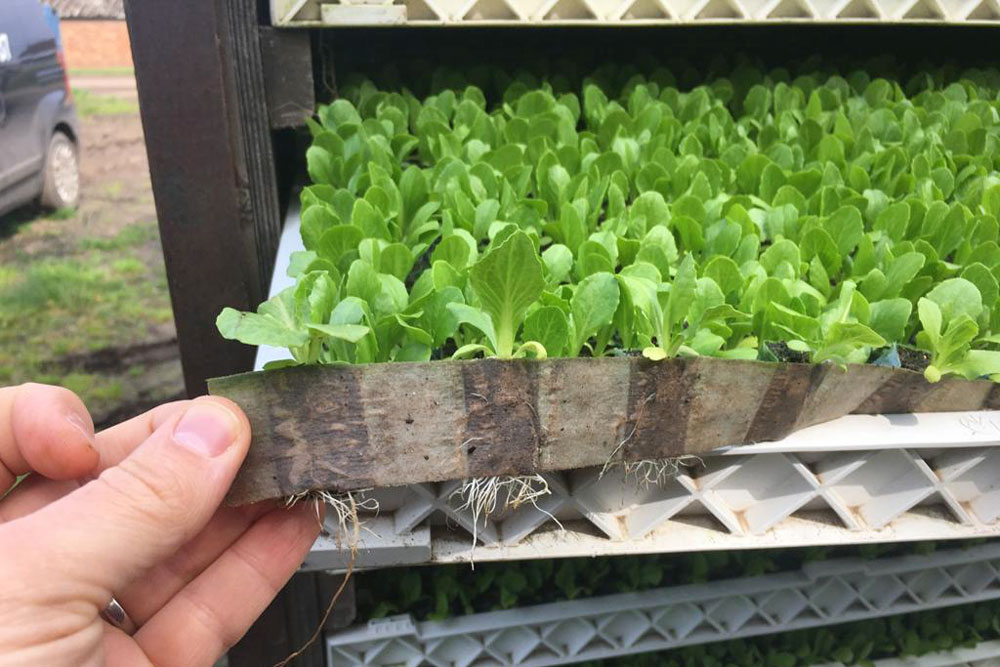
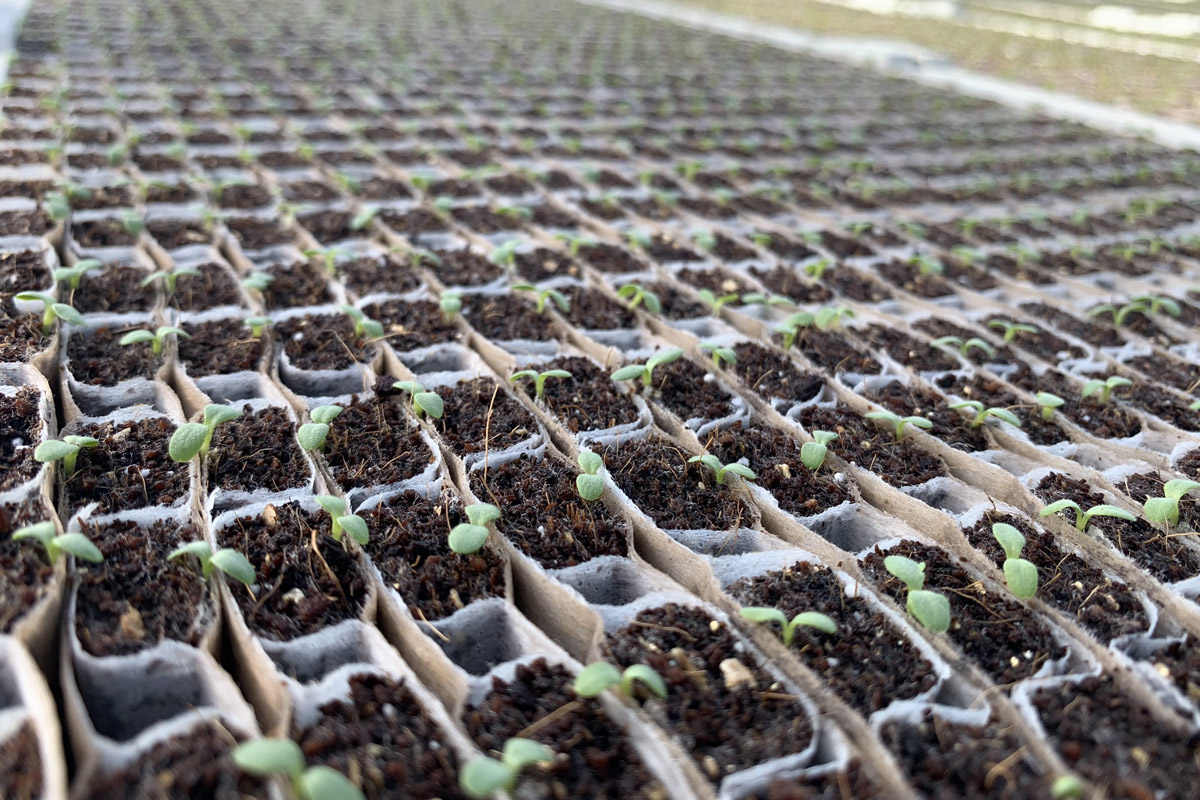

The PlantTape business is owned and being commercialised globally by American lettuce grower Tanimura & Antle (T&A). G’s has a long term relationship with the T&A families, and consequently strong links into the PlantTape development program.
- A 95% reduction in peat usage (current, with an expectation to get to 0% peat)
- An increased number of plants per tray 810 vs. 176, resulting a increased propagation space efficiency. Through this winter PlantTape propagation capability has been developed within G’s Second Willow Nursery – with 6 million PlantTape plants expected to be raised in Second willow this year.
- The PlantTape plugs require less irrigation at point of planting and a 30% saving in irrigation through the remainder of the growth cycle
- Through the PlantTape system the plant establishes a strong tap root, resulting in stronger plant health However the system does have some disadvantages to be worked through and further optimised including:
- An increased time in field of +10%
- Tape seeding is still only available in one UK facility
- Competition with weeds through the growing process results in increased weeding requirements
- Consistency of crop in challenging weather conditions
PlantTape Trials Program
During the 2024 season we increased the proportion of commercial crop grown on the PlantTape system with 30% of Little Gem being grown through the system and 5% of Mini Cosberg lettuces being propagated in this system.
However, after 10 years developing the ‘PlantTape’ technique and while we have seen good success with Little Gem crops, this approach has not yet worked for celery and other lettuce types.
As a result the PlantTape project has been put on hold for 2025 to allow the team to focus on EllePot and Peat free blocking subsitutes.
EllePot
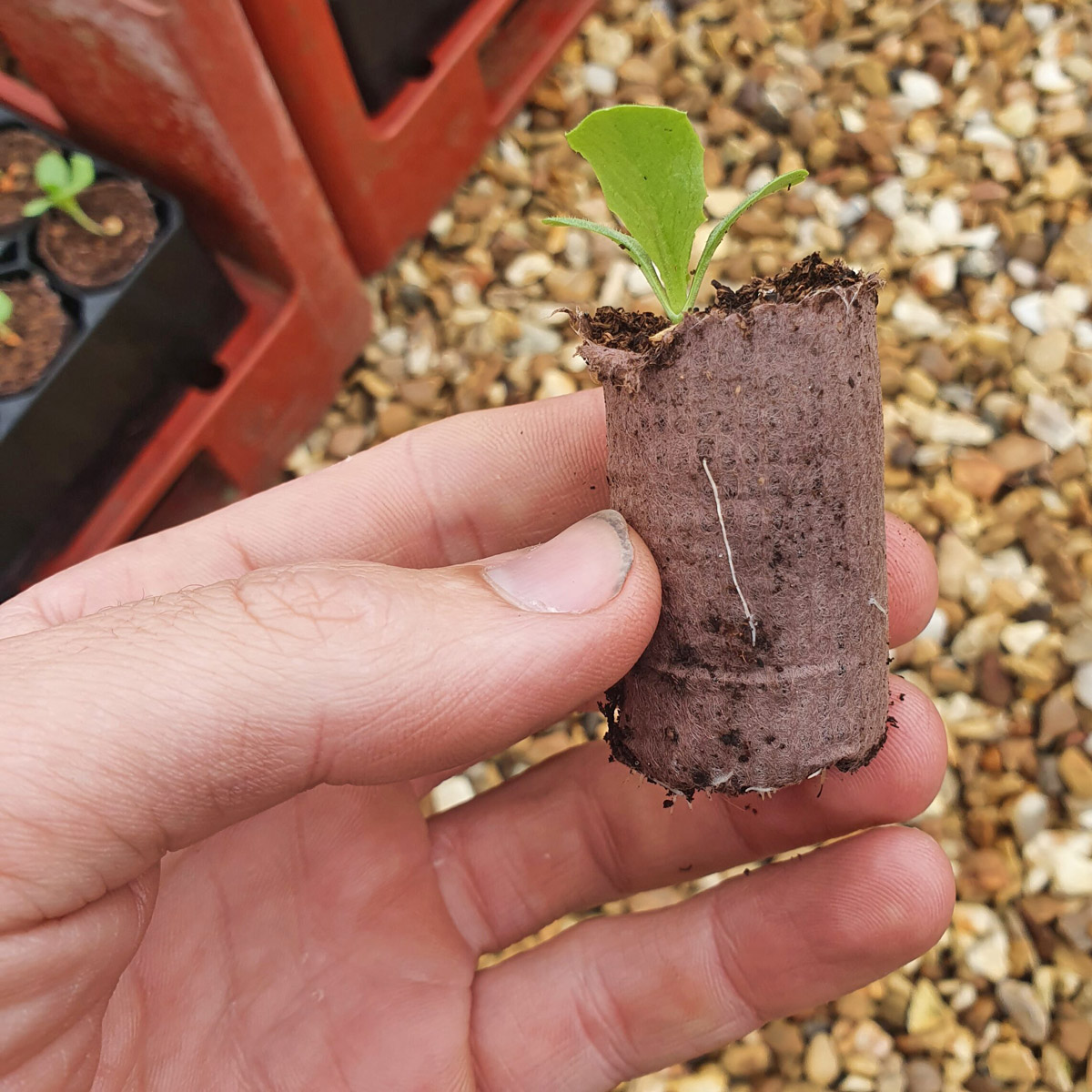
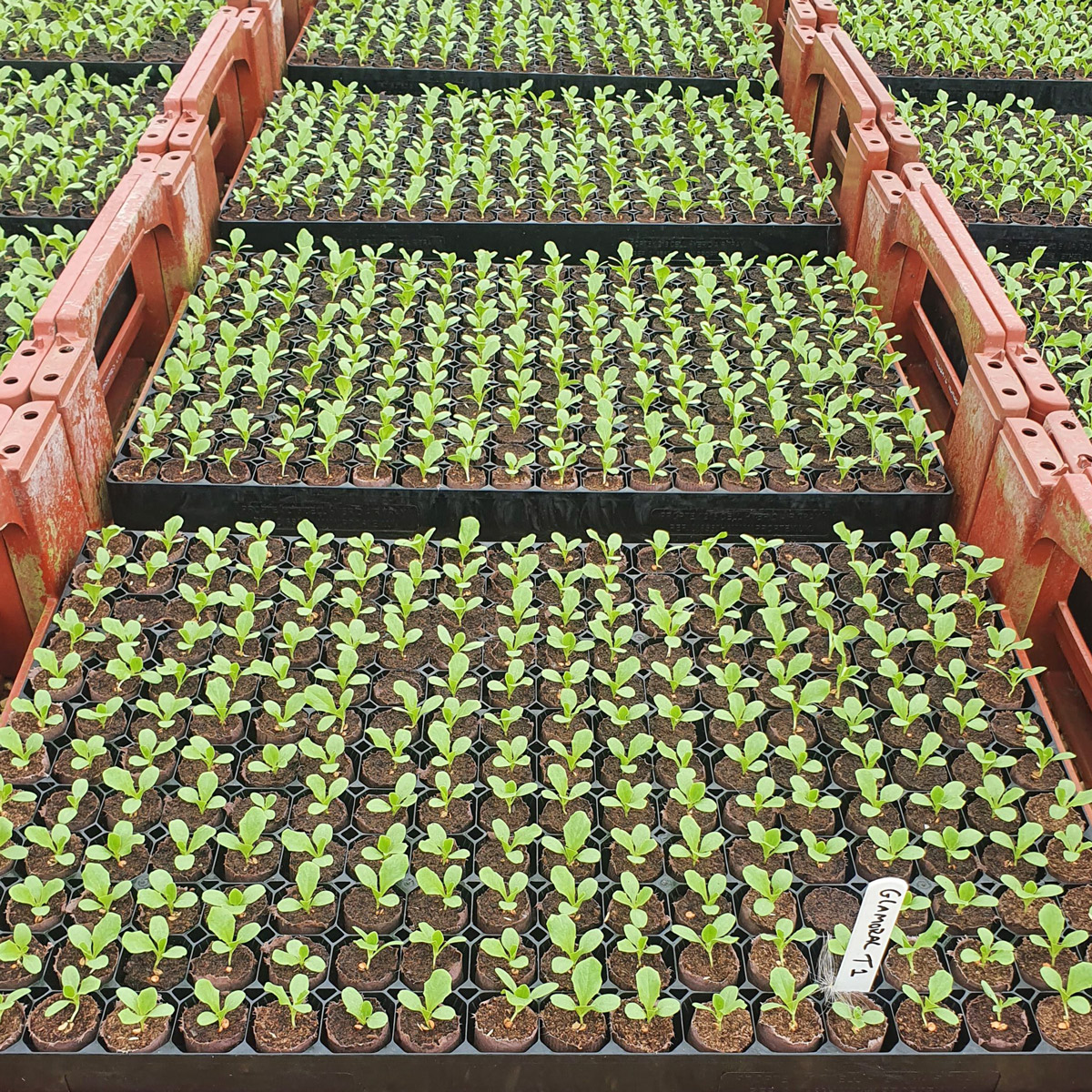
G’s Norfolk Farms are developing an alternative peat free propagation system 'Ellepot'. In partnership with plant propogated Hillgate Nurseries. G's are the first UK grower to commercially trial the system.
We have invested in the development of a concept planting machine which gives us 2 years exclusive use of the system. Small field scale trials commenced in August 2023, with trials across all crop types through summer 2024.
Sowing machinery has been installed at Hillgate Nursery with the Gs propagation team engaging in a knowledge sharing project. This infrastructure provides the opportunity of c. 250K plants per week.
The system offers multiple cell size options which could be useful when growing different crop types at different times of the year.

System Advantages
- Tray Handling – Fits existing greenhouse system.
- Has the potential to be developed as Peat free
- Flexible across all crop types
- Labour efficiency at planting possible, but not yet quantified.
- Ease of field establishment.
System Challenges
- Grow Days – Detail unknown at this stage.
- Cell Wrapper - Material to be reviewed, as currently disintegrating within 5 weeks which is not suitable for longer propagation periods.
- Refinement / investment required in to sowing and planting machinery.
- Agronomic challenges / differences to block production not yet known.