
Seed Partners
We collaborate with the major global seed houses and boutique breeders who specialise in our crop portfolio. Increasingly we work further down the development stream, working with plant breeders on the big long term issues that are likely to impact our crops and growing regions.
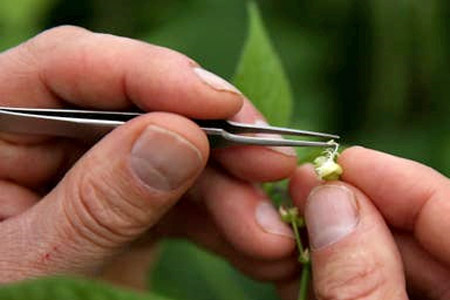
Development of a new variety typically takes upwards of 10 – 20 years if starting from scratch with wild material (weeds). This process is undertaken through traditional plant breeding techniques and the hand crossing of genetic material from wild plant types through to genetically finished commercial varieties.
Precision Breeding
Emerging technology such as Precision Breeding (Gene Editing), the use of which is being progressed into UK agricultural policy, however it is still outlawed in many parts of the world including the EU.
Precision breeding is a way of changing the DNA of plants or animals in a precise way, using techniques including gene-editing. Gene-editing uses specialised enzymes to cut DNA at specific points. These changes must be equivalent to those that could have been made using traditional plant or animal breeding methods.
This makes precision breeding different to genetic modification. Genetic modification is when genes from one plant or animal species are inserted into another unrelated species in a way that is not possible using traditional breeding methods.
Precision breeding can have many practical applications for food production, by introducing desirable traits in crops that could otherwise take many years to develop. This could include improving the nutritional content of plants, or by making crops more resistant to disease.
We are closely watching and supporting the development of precision breeding protocols and are supportive of their use in our future breeding programs.
From seed to shelf
Core to G’s strategy is having a vertically integrated strategy with control from seed through to shelf in our core products. However, there is a stage before the seed arrives at G’s ready to be propagated in our greenhouses.
Core to G’s strategy is having a vertically integrated strategy with control from seed through to shelf in our core products. However, there is a stage before the seed arrives at G’s ready to be propagated in our greenhouses.
With the key seed producers, we have bespoke varietal innovation programs to ensure breeding matches our farming environments, soil types and future farming agenda.
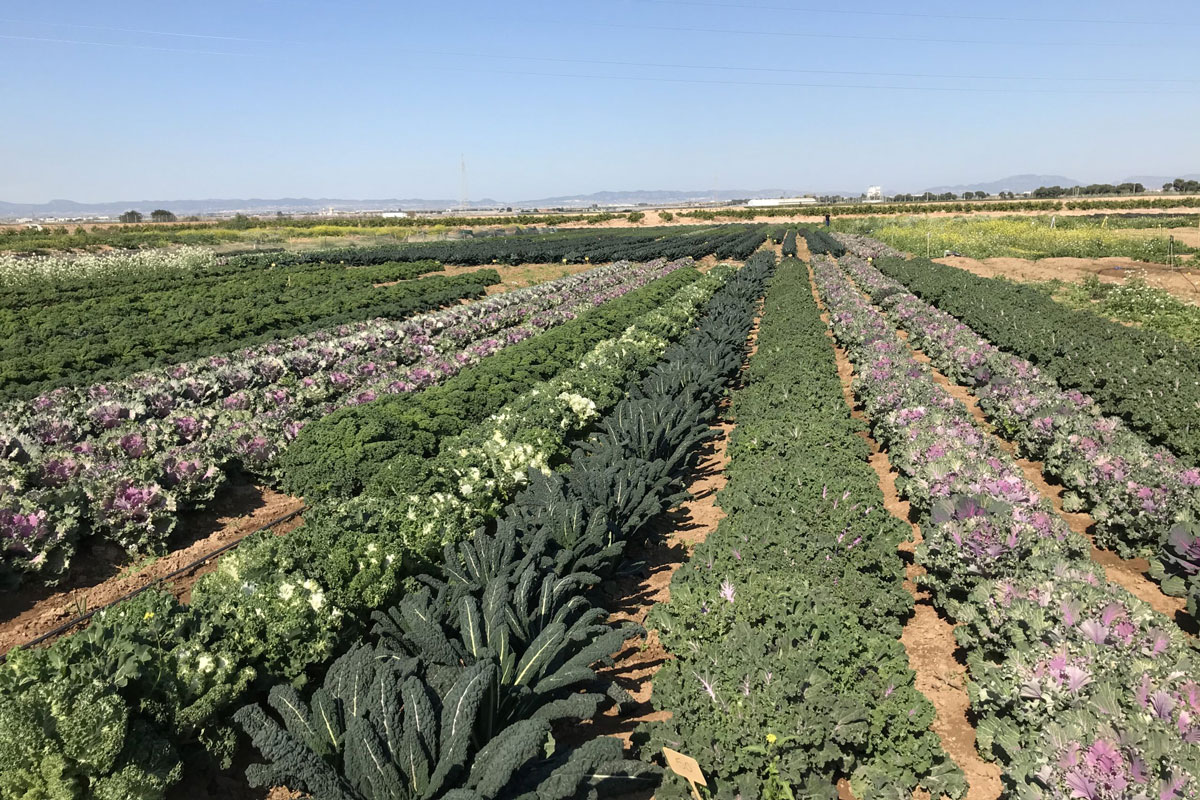

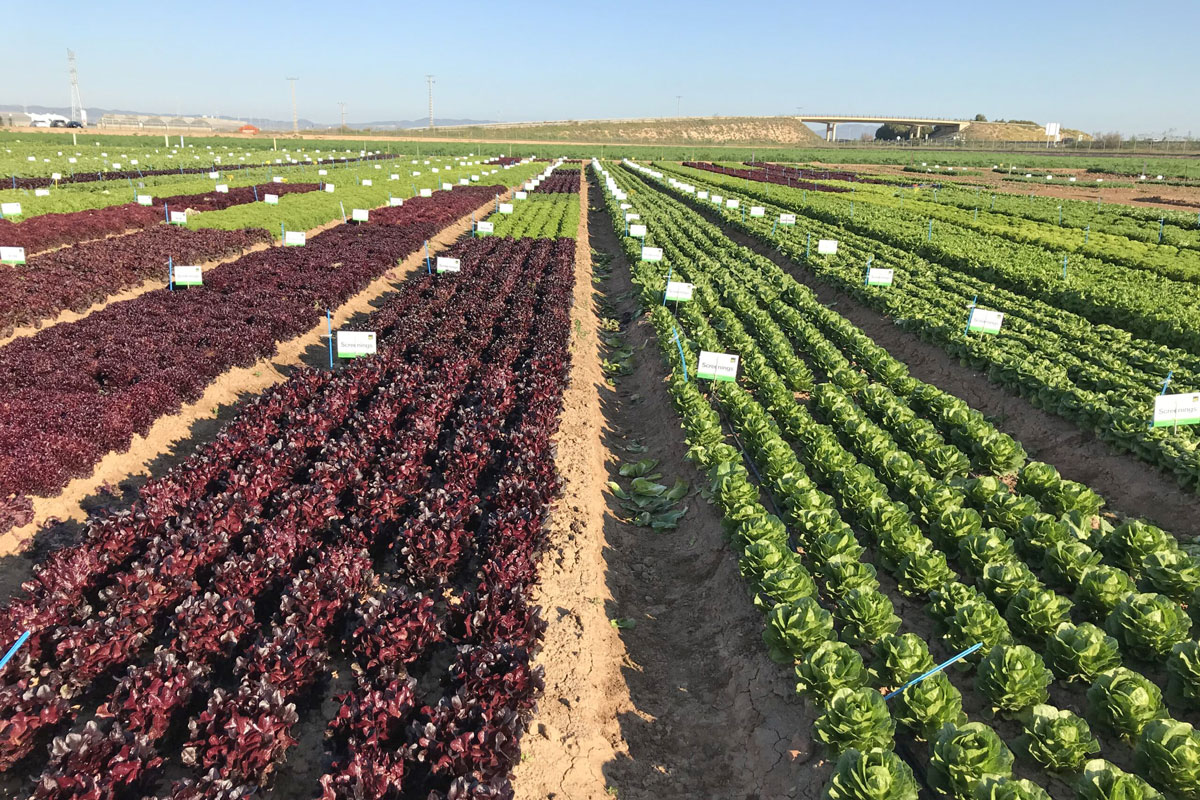

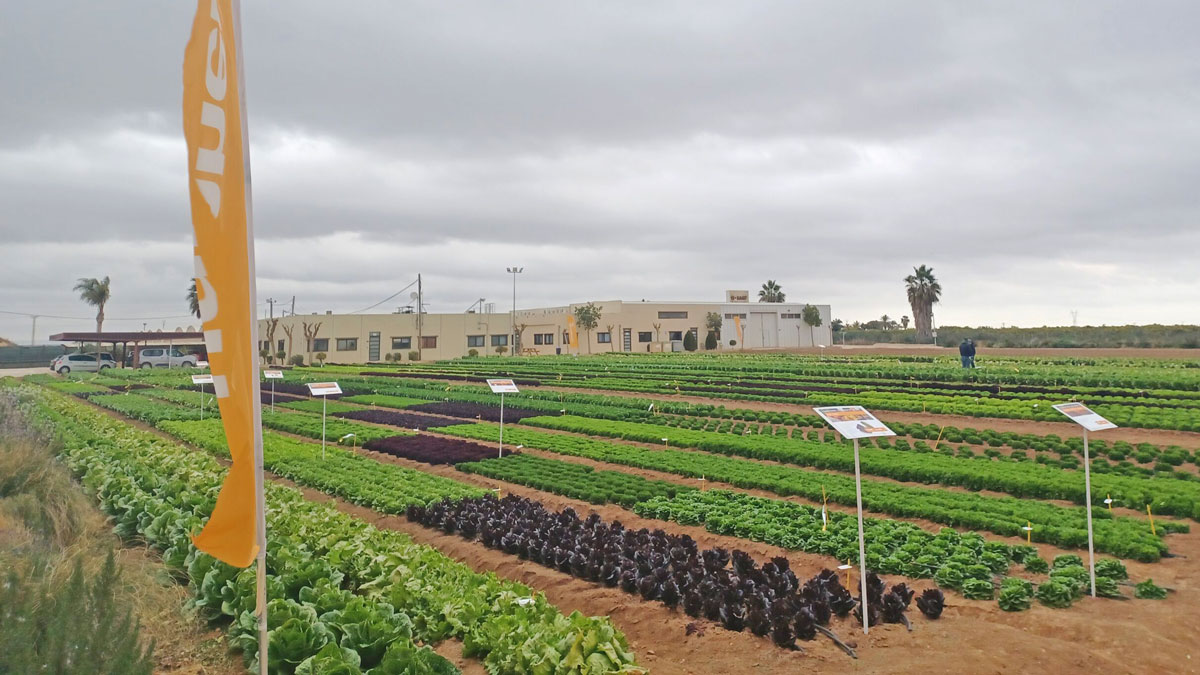

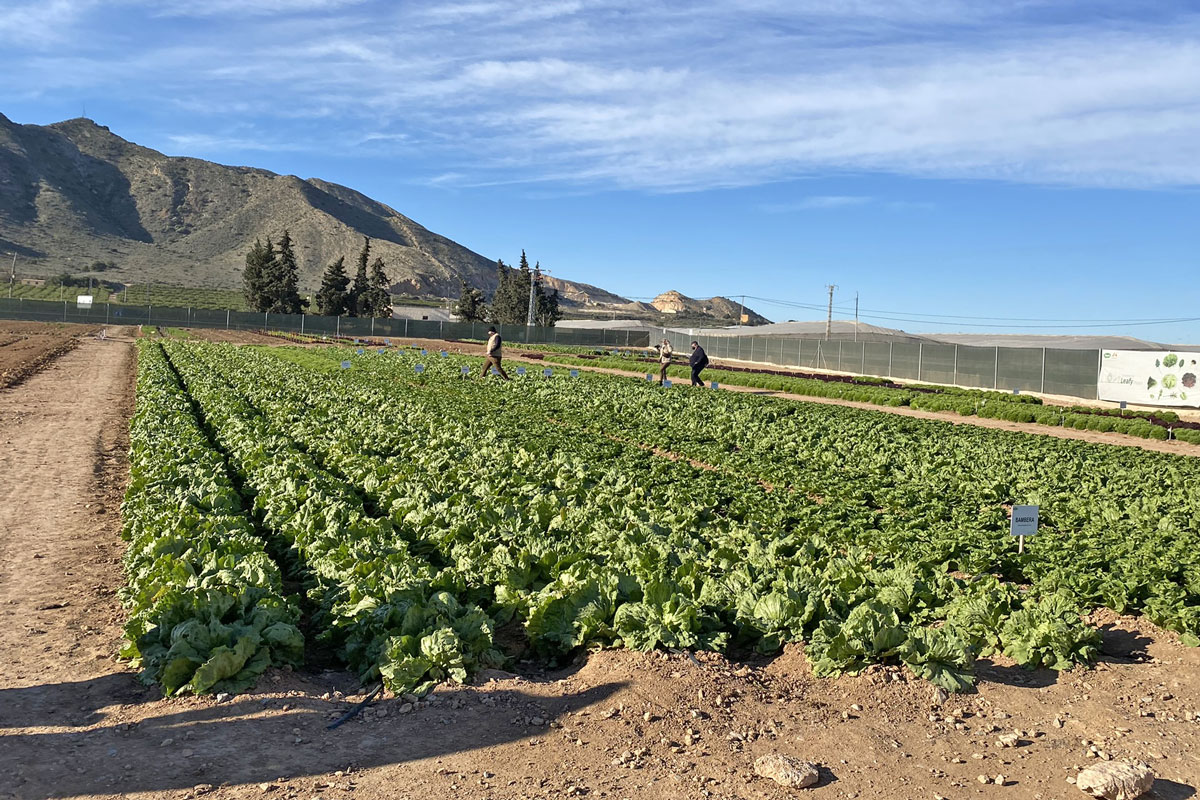
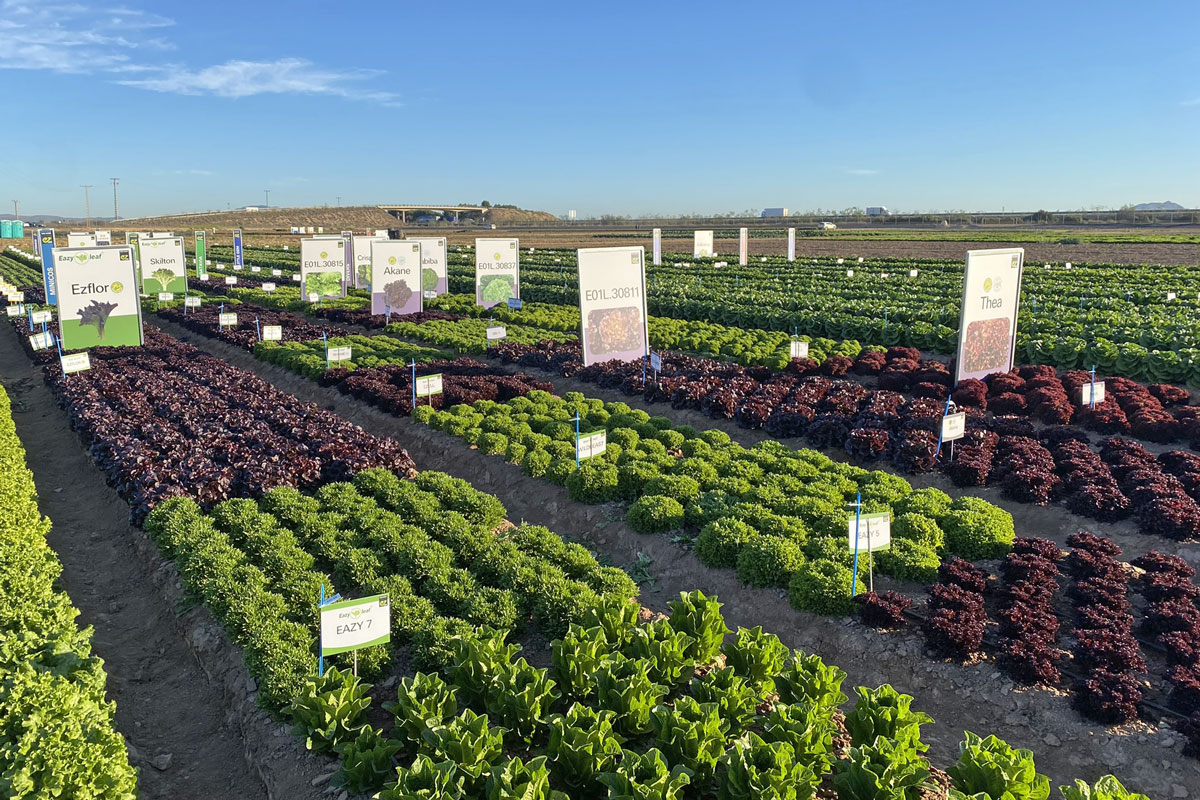
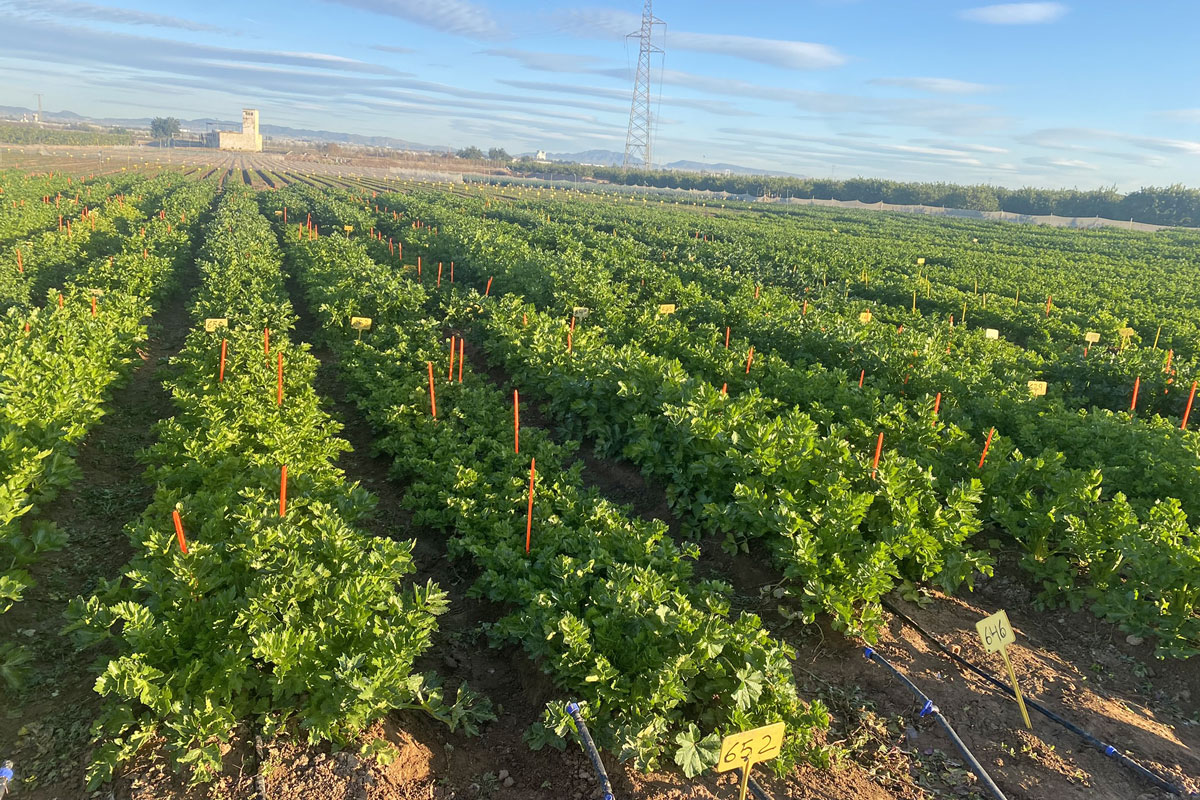
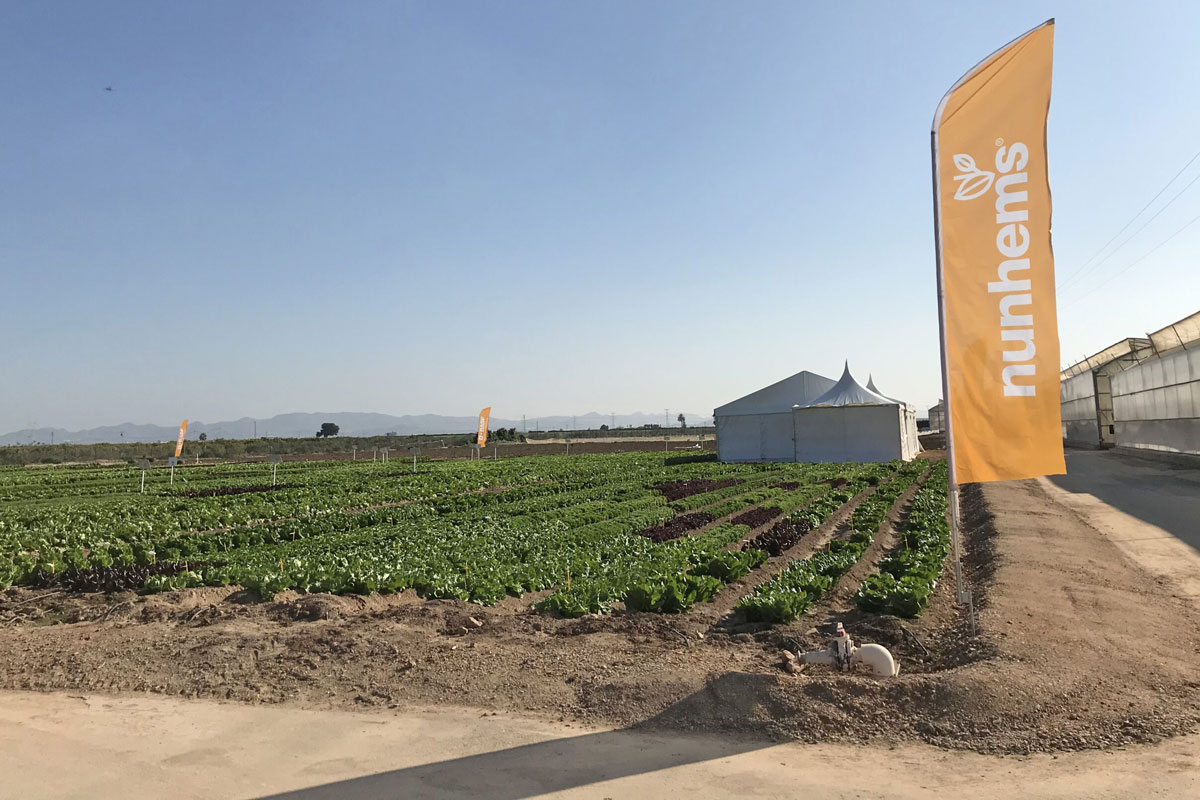
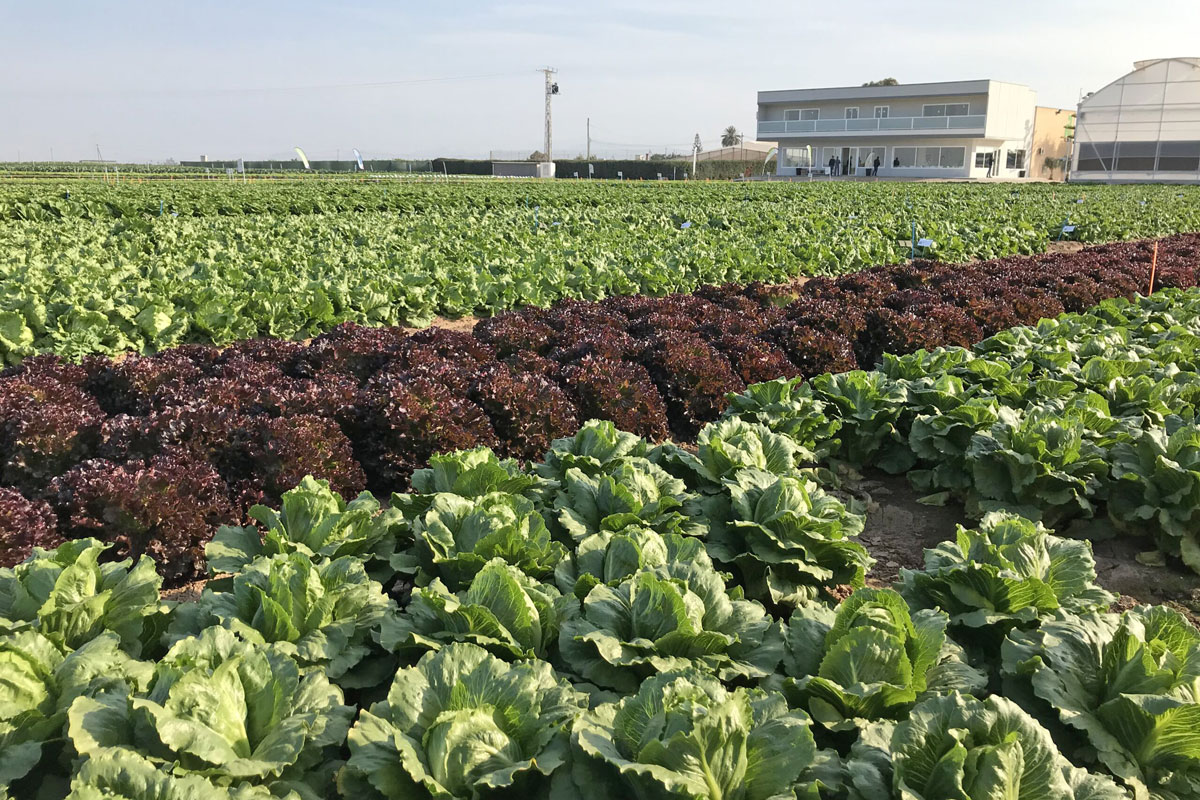
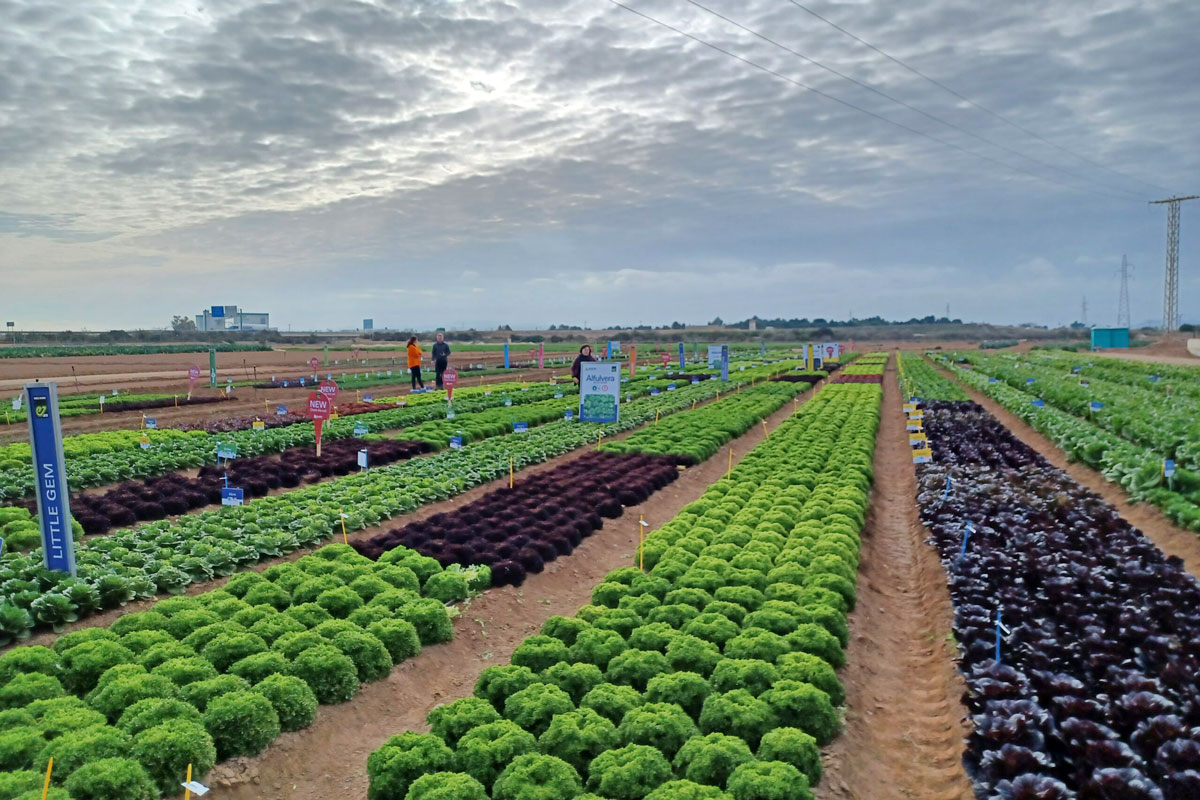
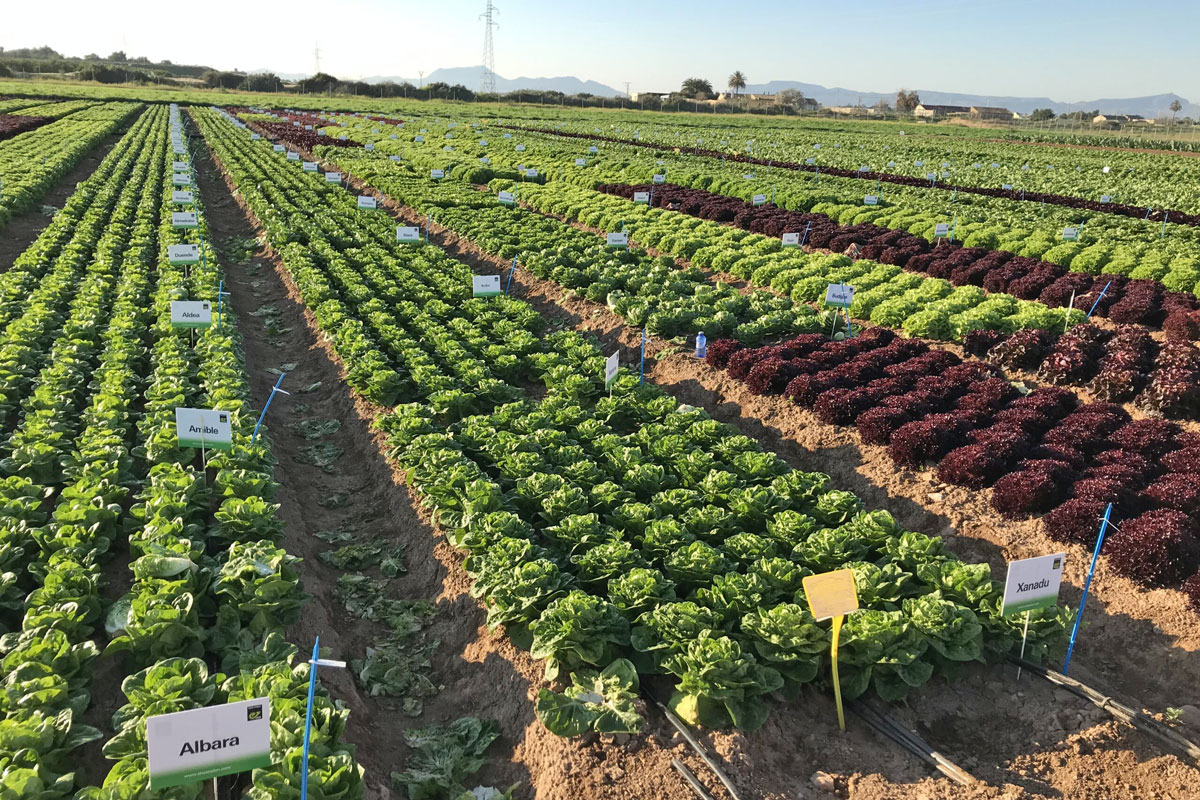
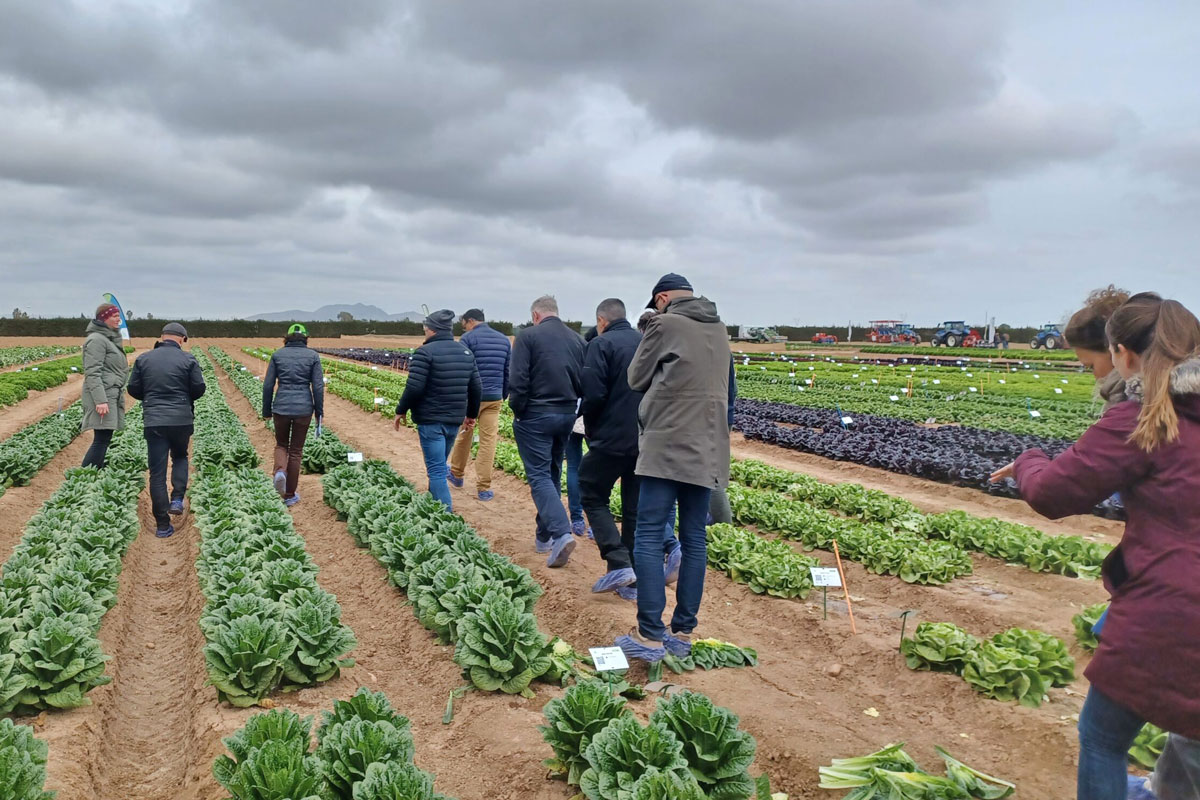
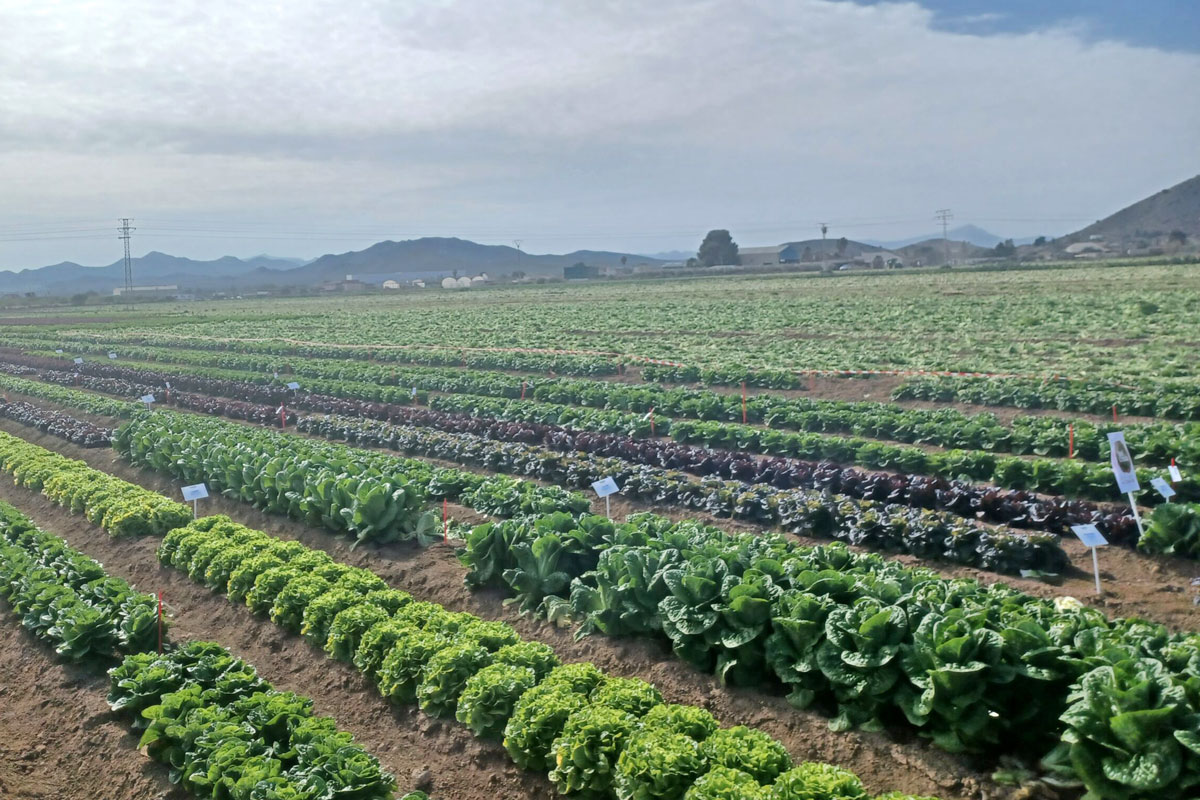
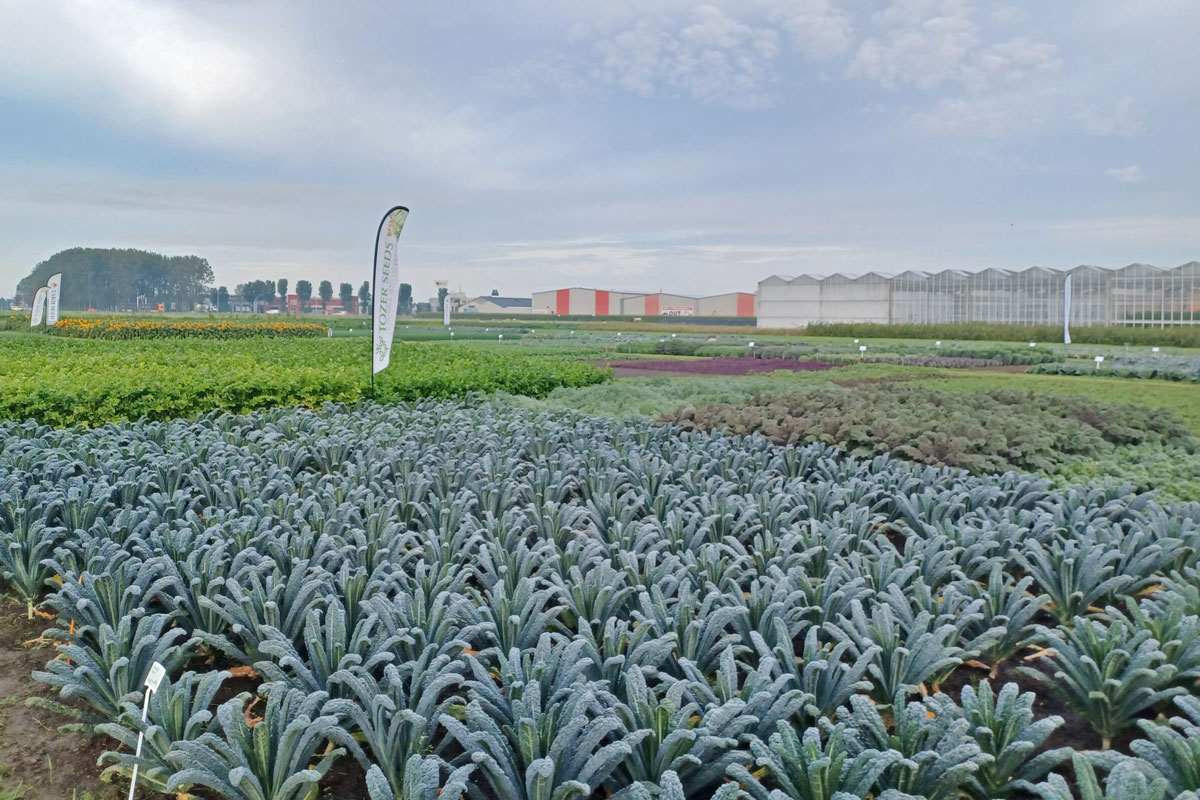
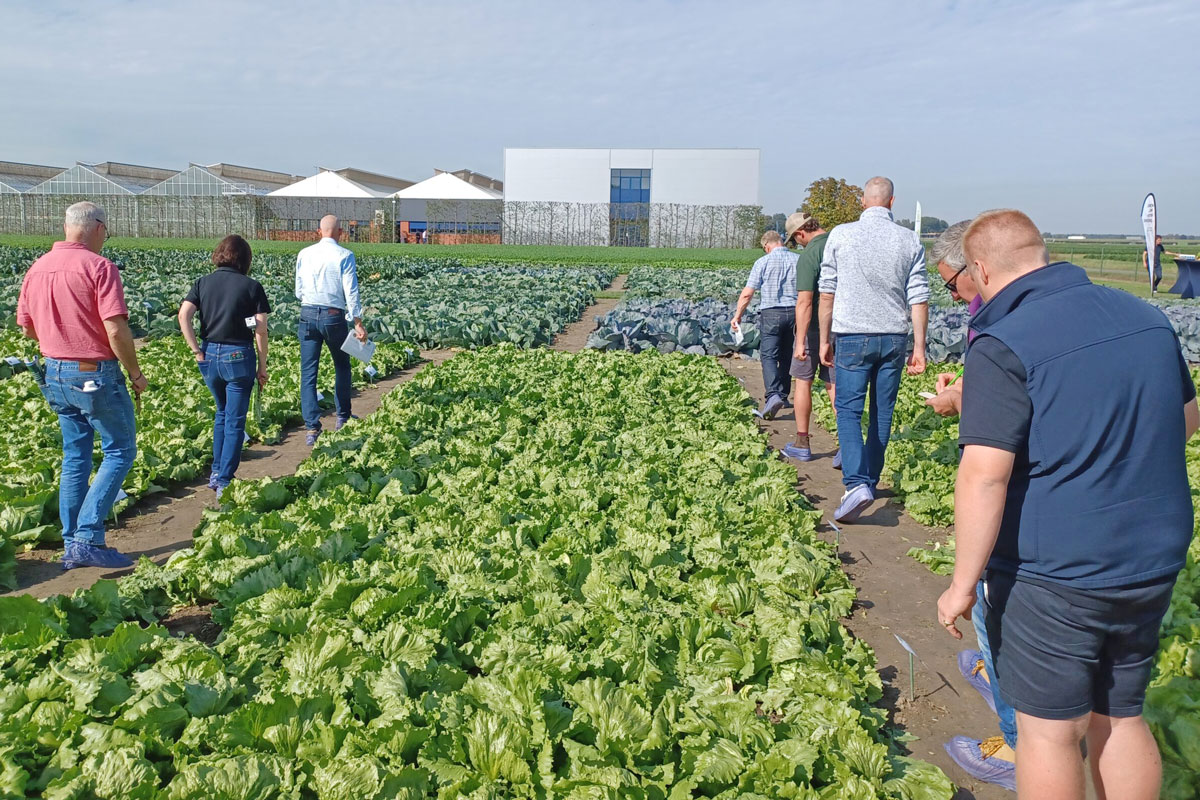
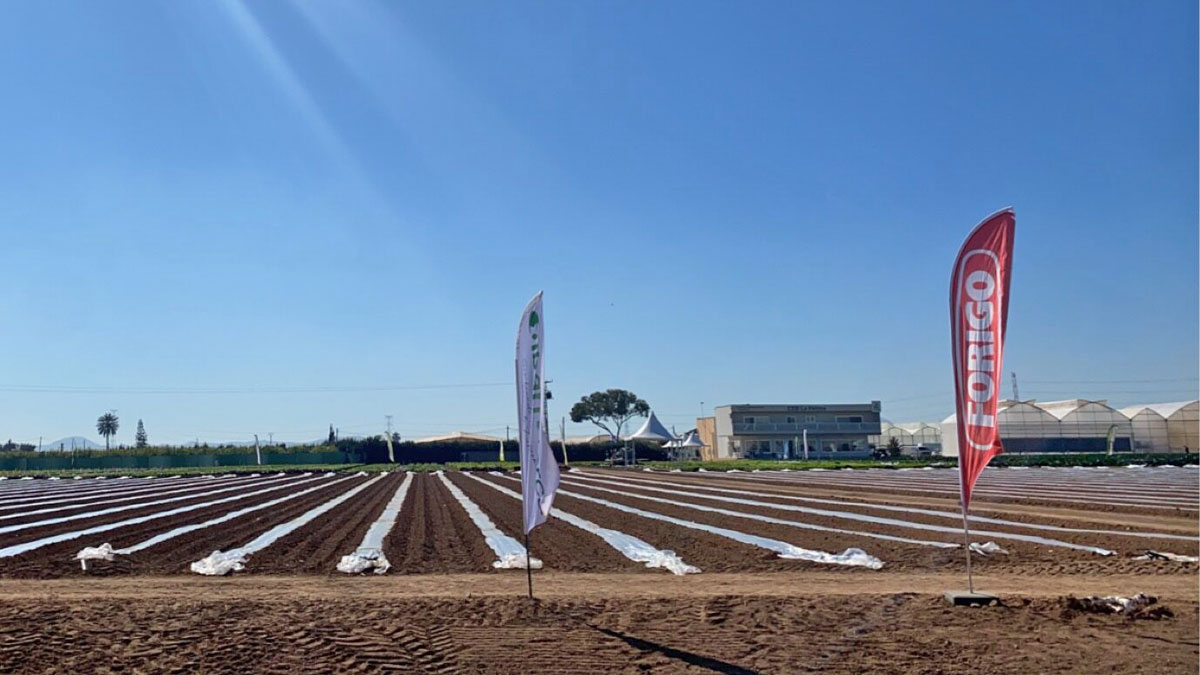
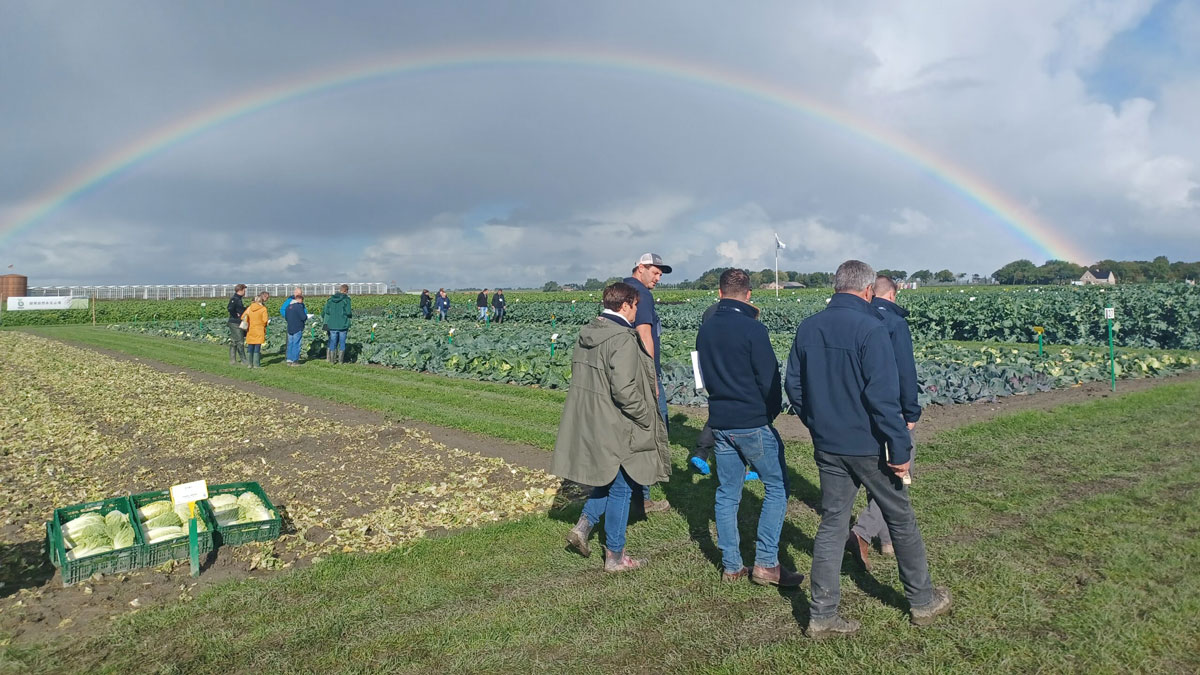
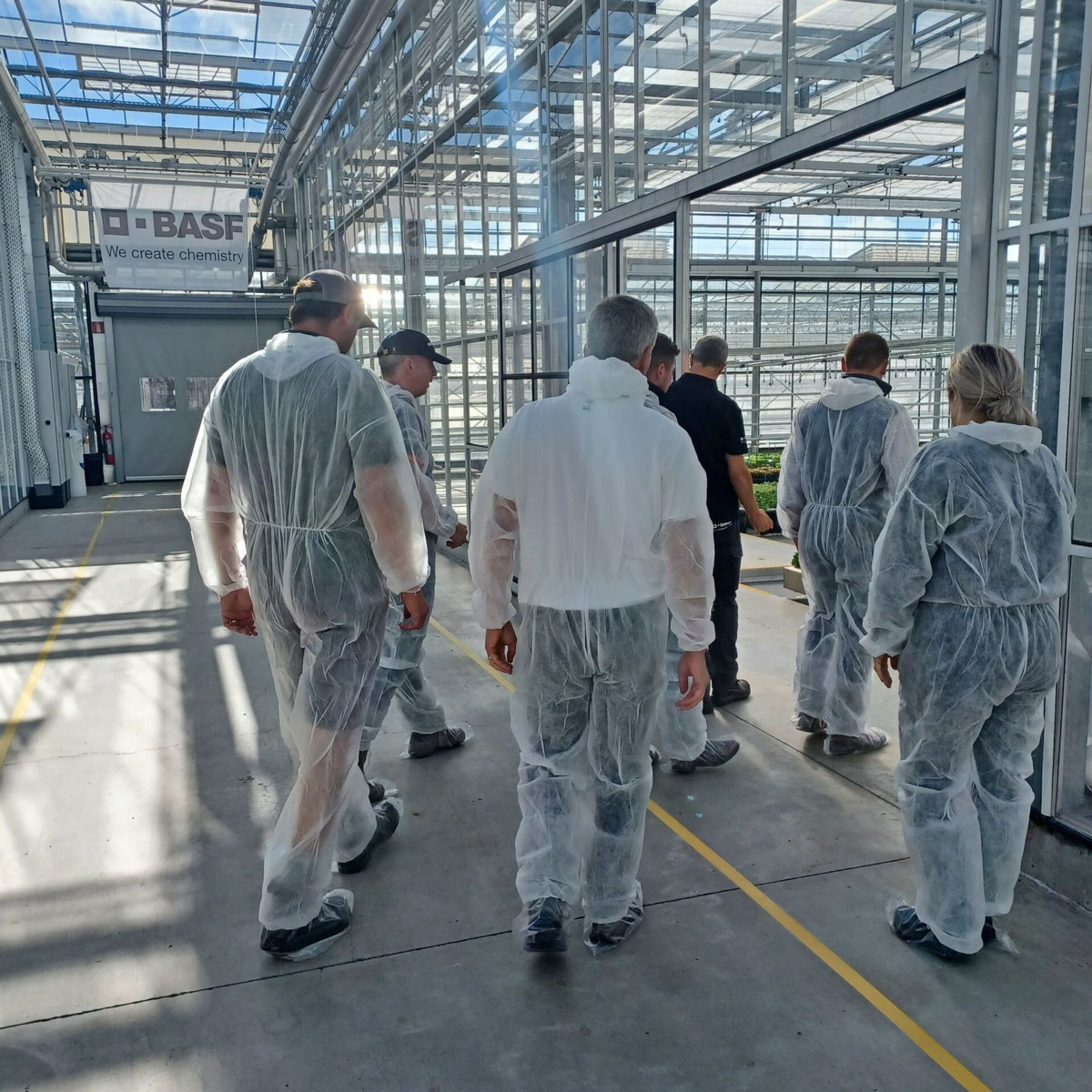
Currently breeders are focused on combining desired traits from an extensive back catalogue of existing genetic materials, with a focus on developing traits such as:

If a breeder has identified desired traits that are available in their genetic catalogues or is known to be present in wild material then the process can be fast tracked to breed the trait into an existing variety, but this process can still take between 5 – 7 years.
In the case of lettuce breeding the main breeding stations are spread around the world but located in key growing regions such as Cartagena (Spain), Salinas (USA), The Netherlands, Victoria (Australia) and Chile, to give a range of climatic and soil conditions.
Upon developing a variety with desired characteristics, the seed must them move into a production phase ensuring it is free of any latent virus, achieves high germination, vigour and purity. The variety can then be registered to sell, and IP protected through breeders rights so long as the variety is Distinct, Uniform and Stable. Increasingly we are accessing trial material on a semi commercial basis which has not been granted full breeders rights. This access require a high degree of trust from the breeders and an increasingly collaborative development process.